

















The data collection has arrived. Does the injection molding workshop need to adjust its organizational structure?
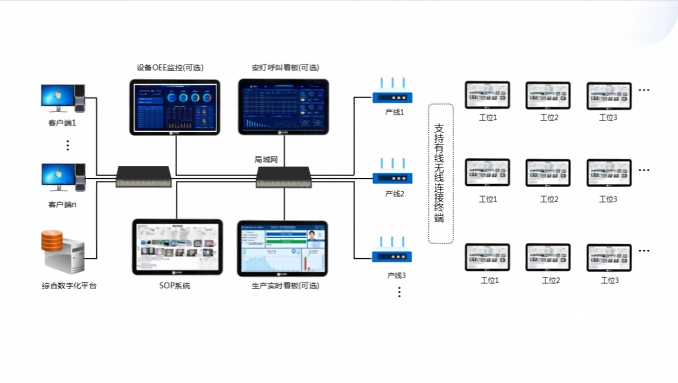
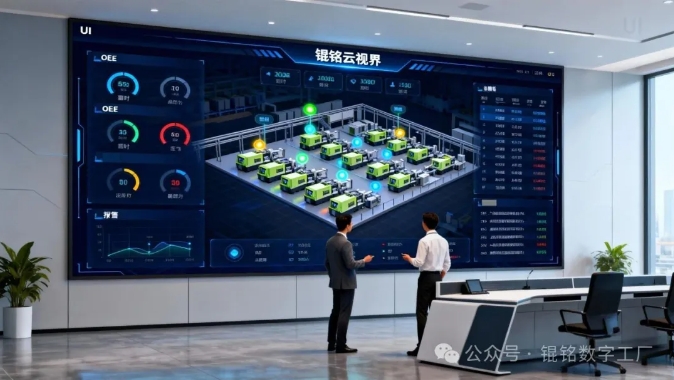
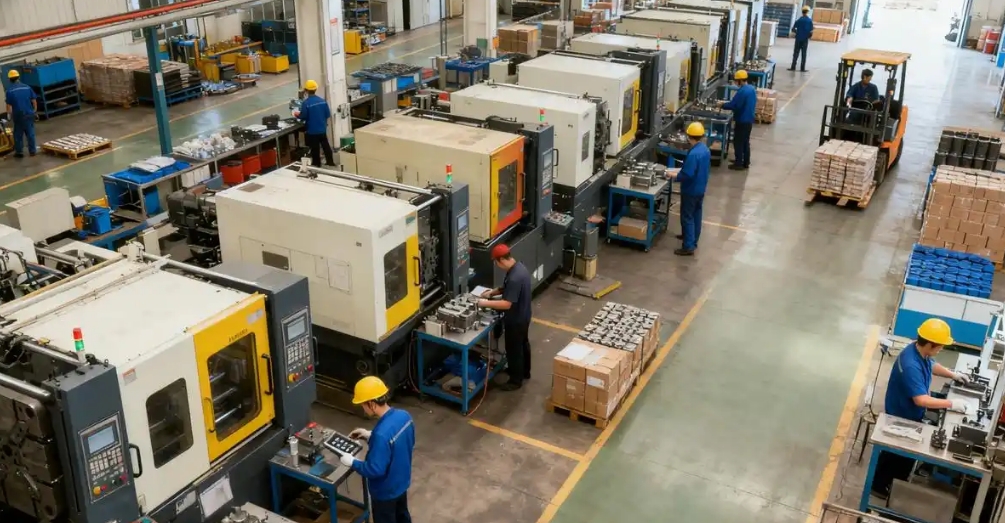
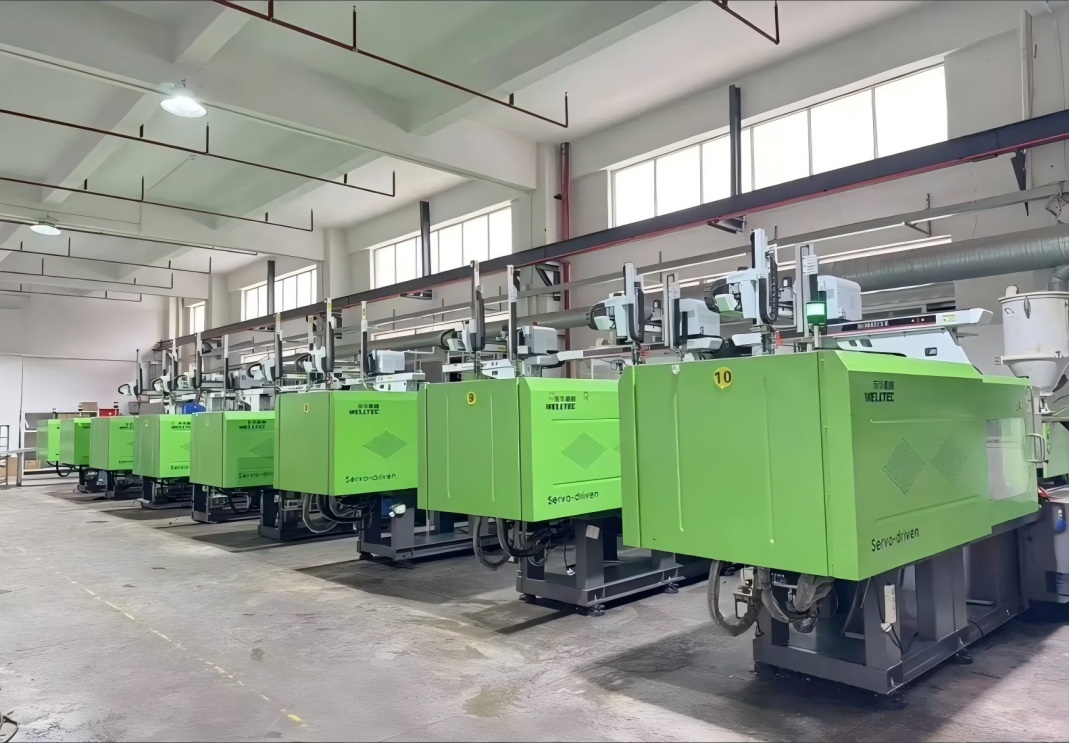
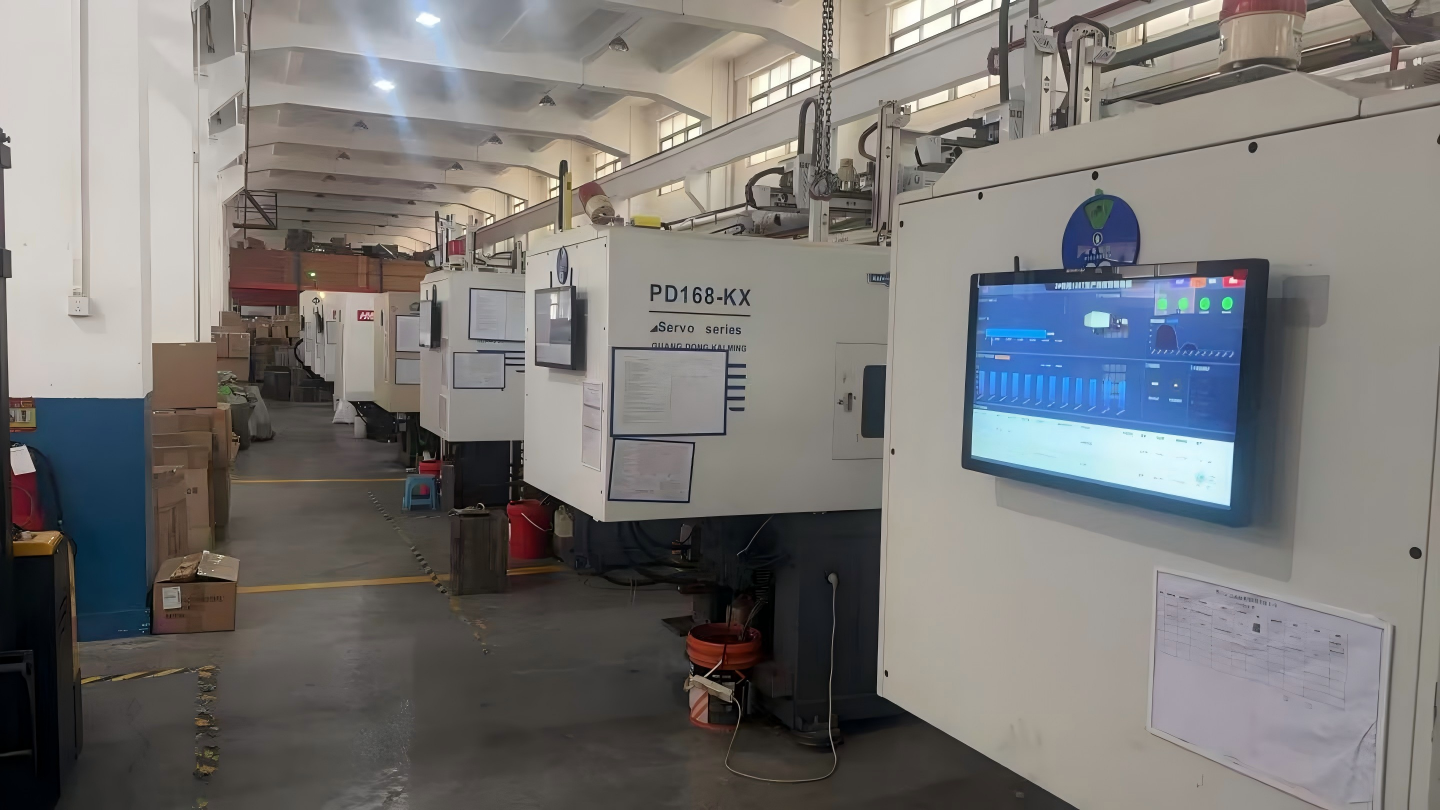
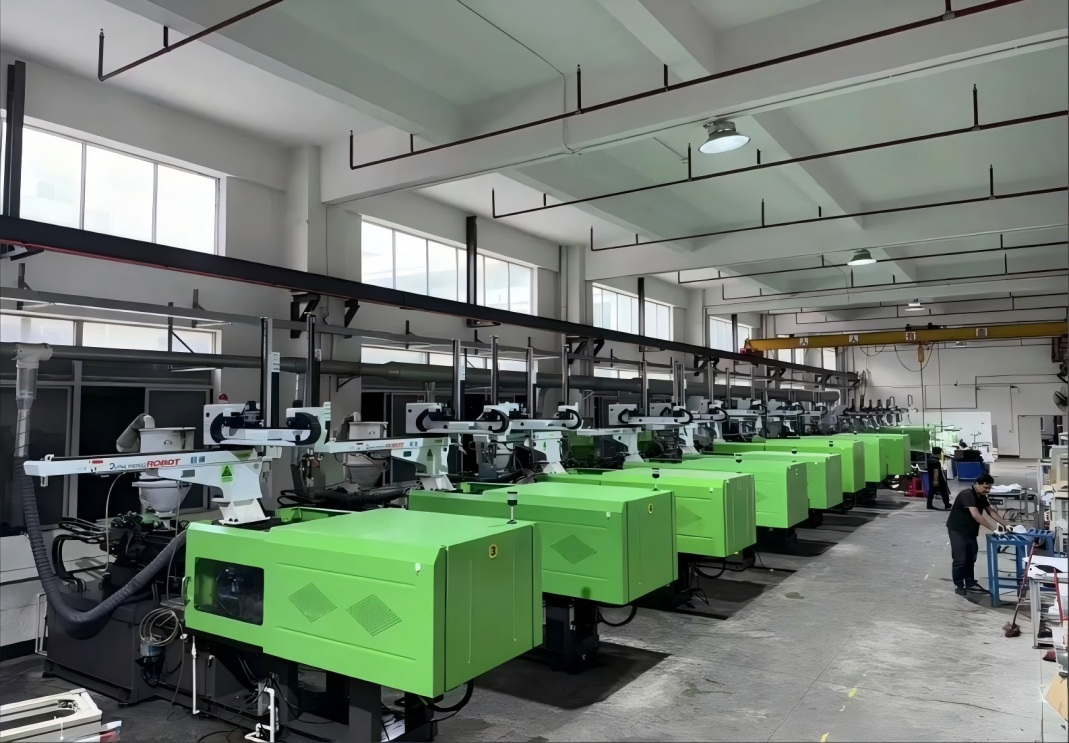
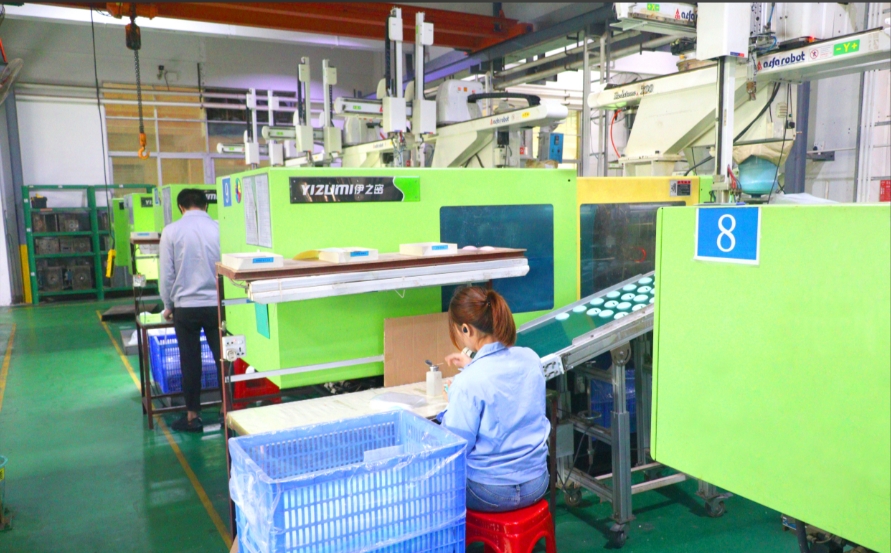
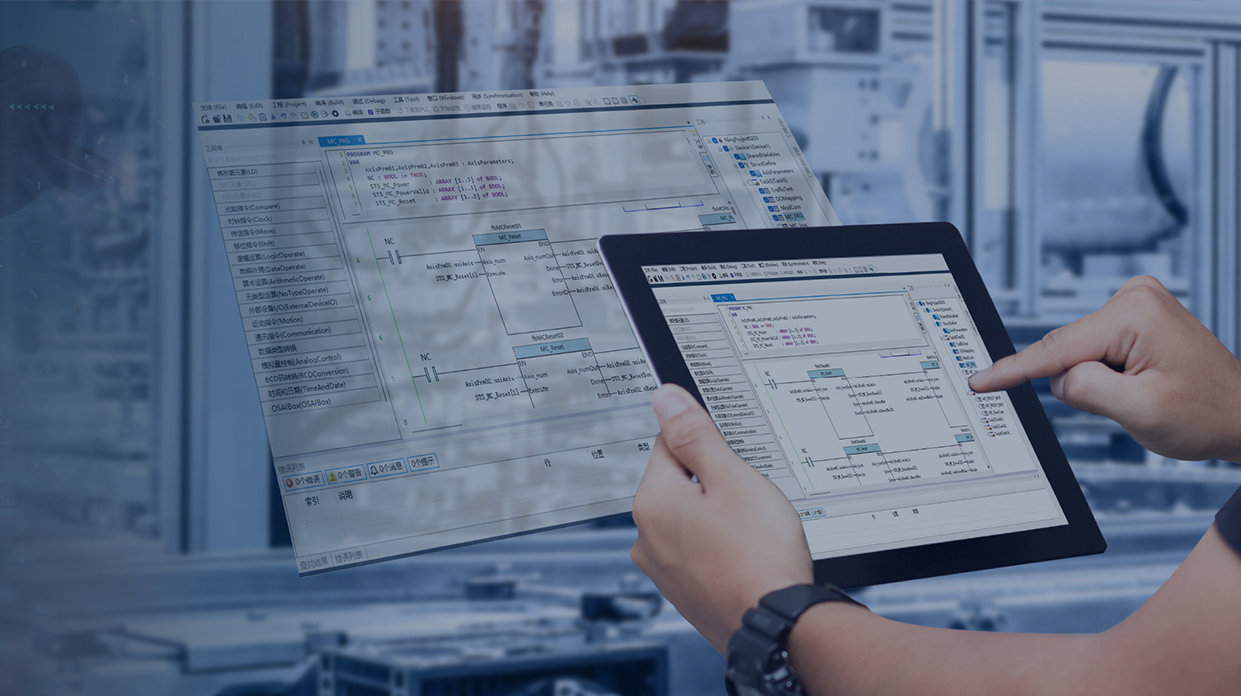
2026-06-02In the traditional mindset of many injection molding factory owners, workshop management relies on "veteran masters" and "patrol inspectors." A typical injection molding workshop hierarchy looks like this: Factory Manager → Injection Molding Supervisor → Shift Leader → Material Handler / Powder Feeder / Machine Operator This pyramid structure has worked reasonably well for decades. However, with the rollout of "data acquisition" systems, every injection molding machine in the workshop has started "talking" — OEE (Overall Equipment Effectiveness), SPM (Shots Per Minute), cavity pressure curves, and energy consumption data are uploaded in real time. When the technical team at Kunming Intelligent Technology (Dongguan) Co., Ltd. installed the last sensor and lit up the first green light on the dashboard, a sharp question was put before management: Shouldn't our organizational structure also get "formatted"? I. The "Blind Spots" of Traditional Architecture: People Watching People, Not Data Watching People In the past, the workshop organizational structure was designed to solve "information asymmetry." What does a shift leader do? Walk the floor with a pen and paper, logging which machine broke down, which one is changing molds, and which operator is slacking off. What does a supervisor do? Estimate capacity based on experience, coordinate mold changes, and handle quality anomalies. This architecture depends on "rule by people." But as labor costs rise and margins thin, the drawbacks of this model are becoming increasingly obvious: when the shift leader leaves, efficiency drops; when the supervisor changes, standards fall apart. This is why when Kunming Intelligent Technology (Dongguan) Co., Ltd. conducts digital diagnostics for enterprises, the first thing they do is often not plug in network cables — it's to map out processes. They've found that many workshop structures actually exist to "fill management gaps," not to "create value." II. Now That the Data Is Here, These Roles Are "Disappearing" When the DCS (Data Collection & Supervisory Control System) and MES (Manufacturing Execution System) deployed by Kunming Intelligent Technology go live, injection molding machines become transparent. The architecture begins to undergo a subtle "chemical reaction": 1. The "Patrol Inspector" Is Disappearing, Replaced by a "Data Analyst" Before, someone had to keep walking and keep watching. Now, the dashboard screen in the central control room refreshes in real time. Machine faults, process deviations, and completion quantities are all visible at a glance. This means the middle layer of "information transmitters" is being replaced by the system. The shift leader no longer needs to tally output, because the smart terminals provided by Kunming have already completed reporting in seconds. 2. The "Firefighter" Is Transforming — From "Fixing Machines" to "Reading Data" In the traditional structure, the most skilled master is always busy handling anomalies like "misalignment" and "sink marks." But in a digital workshop, Kunming Intelligent Technology emphasizes "AI early warning" and "CPK (Process Capability Index) analysis." Before the master even reaches the machine, the system has already told him via data fluctuations: "Barrel temperature fluctuating abnormally — scrap is expected in 3 minutes." The organizational structure now needs a process engineer who understands data analysis, not a maintenance worker sweating to turn valves. 3. The "Statistician" Is Being Optimized Away — Data Entry Roles Disappear Entirely This is the most direct impact. Before, there were always a few people in the workshop office buried in Excel, entering output and defect quantities. With the widespread adoption of Kunming Intelligent Technology (Dongguan) Co., Ltd.'s scan-to-report and automatic data collection systems, data is locked in the instant it's generated. This role simply no longer needs to exist. III. How Should the Architecture Be Adjusted? From "Pyramid" to "Flat + Central Control Room" So where should injection molding enterprises head with this transformation? Based on Kunming Intelligent Technology's implementation experience across multiple benchmark factories in the Pearl River Delta, we recommend the following adjustments: 1. Add or Strengthen a "Smart Manufacturing Center" or "PMC (Production & Material Control) Data Group" This is a brand-new core department. It's no longer a simple clerical role — it's a "data decision-making brain" that reports directly to the General Manager. Its mission is to monitor the real-time status of all injection molding machines through the visualization platform provided by Kunming Intelligent Technology. They are responsible for dispatching work orders, scheduling, and anomaly alerts. The establishment of this department weakens the traditional "workshop director's" administrative power and returns authority to "data-driven processes." 2. Redefine the "Shift Leader": De-emphasize Management, Emphasize Technical Skills In an era of data transparency, employee performance is determined by the system (compliance rate, scrap rate). The shift leader no longer needs to "manage people" — they need to "manage issues." The shift leader in the new architecture is essentially a "on-site emergency specialist." When the Kunming system issues a red alert, the shift leader must respond within 3 minutes to resolve physical jams or simple faults that the system can't handle. People-management authority moves up; operational responsibility moves down. 3. Introduce "Hybrid" O&M Talent With equipment networked, OT (Operational Technology) and IT (Information Technology) are beginning to converge. A maintenance worker who can't use a computer or read the data waveforms collected by Kunming Intelligent Technology simply can't do the job anymore. The future architecture must include a "process engineer who understands IT" or a "equipment supervisor who understands data." They are responsible for bridging the last hundred meters between equipment and the control layer. In Closing Data collection is not here to "steal jobs" — it's here to "correct course." Many injection molding factories can't improve efficiency not because their machines are old, but because their organizational structure is too "bloated" or too "outdated." Kunming Intelligent Technology (Dongguan) Co., Ltd. has found through years of service: there is no such thing as outdated equipment — only outdated management. When data flows are connected, the organizational structure must adapt to the characteristics of "real-time information symmetry." Eliminating unnecessary middle layers and building a flat structure centered on "data analysts" and "rapid-response engineers" will be the inevitable trend in injection molding workshop management over the next few years. Is your workshop ready?

Follow us
Hot news
-
2026.08.05
When the Workshop Is Equipped with a "Smart Brain" — Kunming Intelligent Technology Makes Injection Molding Management No Longer Difficult
-
2026.07.29
Don't even know if your machines are running? Factory digitalization — don't let subsidies lead you astray.
-
2026.07.27
Plastic Injection Plant Data Collection Pitfall Avoidance Guide – Kunming Intelligent Technology Practical Summary
-
2026.07.24
Unreasonable Injection Molding Scheduling? Stop Letting "Veteran Know-How" Ruin Your On-Time Delivery.
-
2026.07.22
How to solve idle running waste in injection molding machines? This solution cuts energy consumption by 30%.